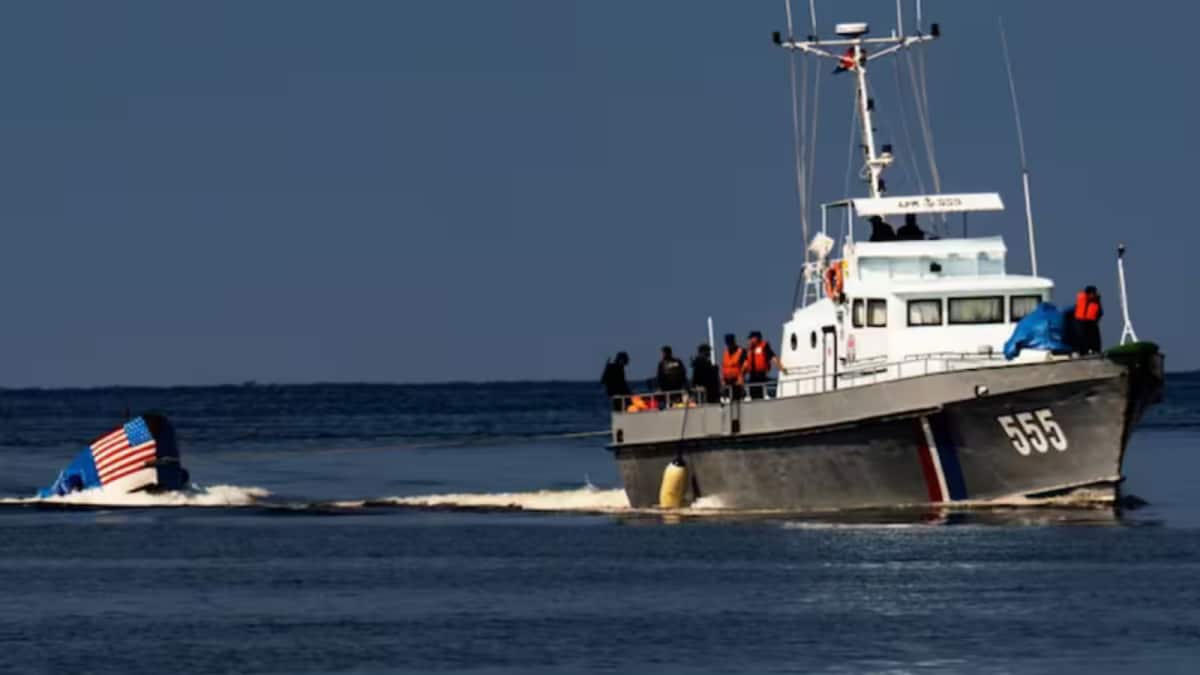
A recent, violent confrontation off the coast of Cuba has ignited a diplomatic firestorm, with the United States pledging a thorough investigation into what it describes as an "unusual" speedboat shootout. Havana, conversely, has wasted no time in labeling the incident a foiled "terror plot" orchestrated by individuals based in the United States, raising serious questions about the escalating tensions between the two long-standing adversaries. This high-stakes maritime clash, which resulted in multiple fatalities, underscores the fragility of US-Cuba relations and the urgent need for clarity amid conflicting narratives.
The incident unfolded against a backdrop of already strained ties, prompting Washington to tread carefully while promising to uncover the full truth. The US declaration of a probe comes as a direct response to Cuba's detailed, and damning, allegations, which include claims of armed infiltration and attempted acts of terrorism. As both sides prepare for a potentially protracted diplomatic and investigative battle, the international community watches closely, seeking reliable information about the shootout in Cuba and its profound implications.
Havana's Stark Account: A Foiled Infiltration and Terror Plot
According to Cuba's Interior Ministry, the deadly exchange of fire occurred on a Wednesday morning approximately one nautical mile off the Cuban coast, squarely within Cuban territorial waters. Havana's official statement asserts that a speedboat, bearing the registration number FL7726SH and originating from Florida, initiated the aggression. Cuban authorities claim that as a coast guard vessel approached the suspicious craft, shots were fired from the speedboat, injuring the commander of the Cuban patrol. This alleged act of hostility, Cuba maintains, forced its border guards to return fire, leading to a tragic loss of life.
The shootout resulted in the deaths of four individuals aboard the US-registered speedboat, with six others reportedly injured. These injured individuals were subsequently recovered from the vessel and are currently receiving medical treatment. Crucially, the Cuban Interior Ministry stated that all ten occupants of the boat were Cuban nationals residing in the United States. Furthermore, Havana presented a detailed inventory of the items allegedly seized from the speedboat, painting a grim picture of a planned assault:
- Assault rifles and handguns: Indicating a significant level of firepower.
- Homemade explosive devices (Molotov cocktails): Suggesting an intent for destructive acts beyond mere gunfire.
- Bulletproof vests and scopes: Equipment typically used in organized, dangerous missions.
- Camouflage uniforms: Pointing towards an intention for covert operations and concealment.
The Cuban government has unequivocally condemned the attempted "infiltration" by the group, declaring their intent was "to penetrate Cuba for terrorist purposes." Adding another layer to its accusations, the Interior Ministry revealed that a portion of the speedboat's crew had existing criminal records in Cuba, linked to "criminal and violent activities." In a further development, Cuba claimed to have apprehended an individual on Cuban soil who was allegedly sent from the US to participate in the operation, and who has reportedly confessed to their involvement. For more granular information regarding Cuba's claims of a thwarted terror plot, separate reports delve deeper into Havana's detailed allegations.
Washington Demands Transparency: A Pledge for a Full Investigation
In the wake of Cuba's dramatic pronouncements, the United States has adopted a stance of caution tempered with a firm commitment to a thorough inquiry. US Vice President JD Vance, speaking to journalists, acknowledged that the White House was actively reviewing the incident. Vance expressed initial concern, hoping the event was "not as bad as we fear it could be," while admitting that the US government had "not many details" available at the outset.
However, it was Secretary of State Marco Rubio who articulated Washington's more robust position. Announcing that the US would investigate the "unusual" incident and "respond accordingly," Rubio made it clear that the US would not simply accept Havana's narrative at face value. "We will not base our conclusions on what they have told us," Rubio stated, addressing reporters from the Caribbean island of St. Kitts and Nevis. He underscored Washington's determination to uncover the complete sequence of events, adding, "I am very, very sure that we will get the whole story of what happened here." This deliberate skepticism from US officials highlights the deep mistrust that characterizes current US-Cuba relations and underscores the challenges in obtaining verifiable information on the Cuba speedboat shootout from both sides.
The US pledge for an independent investigation signals a refusal to be swayed by unilateral claims, insisting on a detailed examination of all available evidence. This approach is vital for maintaining diplomatic integrity and ensuring that any potential response is based on verified facts rather than politically charged accusations. The international community, accustomed to the historical complexities of US-Cuba interactions, will be closely scrutinizing the US investigation for transparency and impartiality.
Beneath the Surface: The Volatile US-Cuba Geopolitical Landscape
The recent speedboat shootout did not occur in a vacuum but is instead inextricably linked to the intricate and often fraught relationship between the United States and Cuba. Geographically separated by only about 90 nautical miles, these two nations have endured decades of ideological conflict, economic embargoes, and periodic spikes in tension. The current incident serves as a stark reminder that beneath periods of relative calm, deep-seated grievances and active political maneuvering continue to simmer.
Of particular relevance is the recent intensification of US policy towards Venezuela under the Trump administration, which has had profound ripple effects on Cuba. Following a period of heightened aggressive US posturing against the Venezuelan government, the US significantly tightened sanctions targeting Venezuela's oil exports. This move was particularly detrimental to Cuba, which has long relied on discounted Venezuelan oil to power its economy. The threat of additional US tariffs on any nation supplying crude oil to the Caribbean island further exacerbated an already dire economic crisis in the communist-ruled state.
The crippling oil blockade, combined with other existing sanctions, has severely impacted Cuba's ability to maintain essential services and economic stability, creating a climate of scarcity and hardship for its citizens. This economic pressure can be seen as a factor that might motivate desperate actions, or conversely, could be exploited by external actors seeking to destabilize the Cuban government. For a deeper dive into how this incident serves as a flashpoint, refer to our analysis on Deadly Cuba Coastal Shootout: A Flashpoint in US-Cuba Tensions. Understanding this broader geopolitical context is essential for comprehending the potential motives behind the speedboat incident and the heightened sensitivity surrounding Havana's claims of a terror plot.
Unraveling the 'Unusual': Why This Incident Matters
The label "unusual" by US officials is apt, as this incident stands out for several critical reasons, making the provision of comprehensive information on the shootout in Cuba paramount. Firstly, the direct armed confrontation in territorial waters, resulting in fatalities, is a severe escalation of typical border encounters. Secondly, Cuba's explicit claim of a "terror plot" originating from US soil, allegedly involving US-based Cuban nationals, raises serious questions about the nature of opposition movements and potential foreign interference. Lastly, the high death toll adds gravity to an already sensitive diplomatic situation, demanding careful handling to prevent further destabilization.
The implications of this incident are far-reaching. It could significantly heighten mistrust between the US and Cuba, potentially leading to increased security measures, stricter border controls, and a chilling effect on any future attempts at diplomatic rapprochement. Both governments face pressure to respond decisively, yet responsibly, to avoid a spiral of accusations and retaliations.
Key Questions for the Investigation:
To truly unravel this complex situation, several critical questions must be addressed through a transparent investigation:
- What was the precise objective of the speedboat's mission? Was it indeed a "terrorist" plot, a smuggling operation, or something else entirely?
- Who financed and organized this operation? Was there any state sponsorship, either overt or covert, from any nation, or was it a purely independent group?
- How reliable is Cuba's evidence, including the seized weapons and alleged confessions? Independent verification will be crucial.
- What are the legal ramifications for the surviving individuals on the speedboat, and for the vessel itself, under international and Cuban law?
Practical Considerations for International Incidents:
In situations like this, the importance of independent verification cannot be overstated. When two nations with a history of adversarial relations present conflicting accounts, third-party investigations or multilateral cooperation become vital to ascertain facts. Furthermore, this incident highlights the intricacies of maritime sovereignty and international law, particularly concerning border enforcement and the right to self-defense in territorial waters. Historically, US-Cuba relations have been marred by events like the Bay of Pigs invasion, serving as a stark reminder of past infiltration attempts and the potential for misinformation to escalate tensions.
Conclusion: Seeking Truth Amidst Tumult
The "unusual" speedboat shootout off Cuba's coast represents a grave and complex incident, threatening to further destabilize the already fraught relationship between the United States and Cuba. While Havana asserts a foiled terror plot, Washington has vowed a thorough and independent investigation, refusing to accept unilateral claims. The geopolitical backdrop of intensified US sanctions against Venezuela, which severely impacts Cuba, adds another layer of complexity to the incident, suggesting potential underlying desperation or strategic motives.
As the US probe gets underway, the world awaits verifiable information on the shootout in Cuba to separate fact from allegation. The stakes are high: the truth behind this deadly confrontation will not only determine the fate of those involved but will also significantly shape the trajectory of US-Cuba relations for years to come. Only a transparent and comprehensive investigation can provide the clarity needed to prevent further escalation and foster a path towards a more stable, albeit challenging, future between these two geographically close but politically distant neighbors.